
The Complete 6–8 Week MVP Product Roadmap for Startups
December 4, 2025
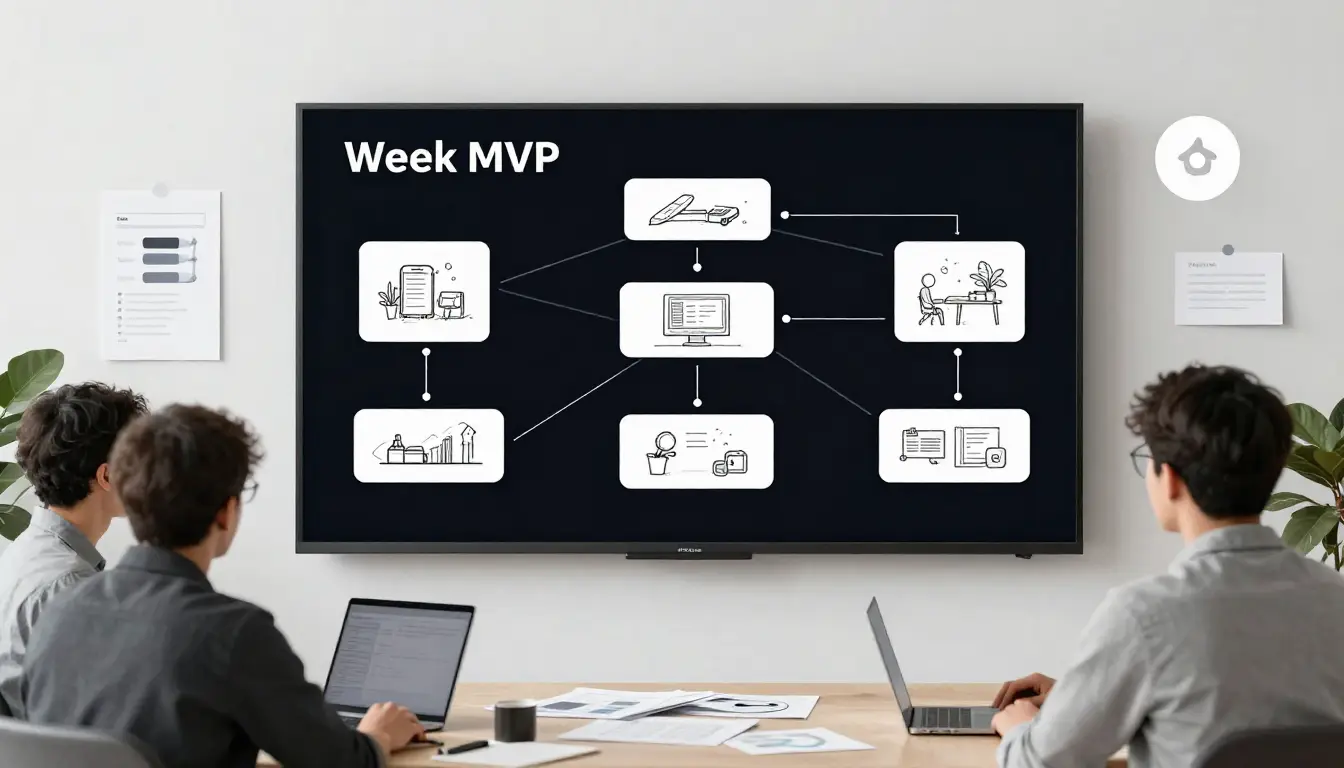
Launching a new product is thrilling, but the path from idea to reality can feel like navigating a maze. Many startups fail not because the idea was weak, but because their Minimum Viable Product (MVP) development lacked structure, speed, or strategic planning. Without a clear roadmap, teams waste time, resources, and energy, often launching products that don’t meet user expectations.
The good news? You can fast-track your MVP in just 6–8 weeks by following a structured, actionable roadmap. This guide breaks down each step, week by week, helping founders, product managers, and startup teams efficiently transform ideas into testable products.
Week 1 – Research & Idea Validation
Before writing a single line of code, the foundation of your MVP development starts with research and validation. Skipping this step often leads to products that users don’t need, no matter how well-built they are.
Key Steps:
- Market Research: Study competitors and analyze market trends. Tools like Google Trends, Crunchbase, and social listening platforms can uncover insights about existing solutions and gaps in the market.
- Target Audience: Identify who your users are, their pain points, and their expectations. Create user personas to visualize your ideal audience.
- Idea Validation: Test the core hypothesis behind your product. Conduct surveys, polls, or even informal interviews with potential users to gauge interest.
By dedicating the first week to validation, you ensure your product solves real problems, setting the stage for effective MVP development.
Week 2 – Define Features & Scope
Once your idea is validated, it’s time to define what your MVP will actually include. Remember, an MVP is not a full-featured product — it’s a lean version that solves your target users’ core problem.
Key Steps:
- Feature Listing: Write down all possible features. Then narrow them down to essentials that solve the primary problem.
- Prioritization: Use frameworks like MoSCoW (Must-have, Should-have, Could-have, Won’t-have) or the Eisenhower Matrix to rank features based on impact and feasibility.
- Scope Limitation: Resist the temptation to overbuild. Your goal is speed and learning, not perfection.
Focusing on a clear, lean scope ensures your development team can work efficiently, avoiding unnecessary delays in the MVP timeline.
Week 3–4 – UX/UI Design & Prototype
Design is where your MVP starts taking shape visually and interactively. Your goal is to make the product intuitive, simple, and enjoyable for users while reflecting your brand identity.
Key Steps:
- Wireframing: Sketch the product flow and page layouts. Tools like Figma, Sketch, or Adobe XD are ideal for this.
- Interactive Prototypes: Convert wireframes into clickable prototypes to visualize how users will interact with the product.
- User Testing (Design Phase): Gather early feedback on usability and flow from potential users before coding begins.
Prototyping early ensures your MVP development is guided by user experience insights rather than assumptions, reducing costly changes later.
Week 5–6 – Development & Testing
Now it’s time to transform designs into a working MVP. Development should be rapid, but disciplined, following agile principles to ensure iterative improvement and quality.
Key Steps:
- Continuous Testing: Regularly test functionality, usability, and performance. Automated testing can save time, but manual testing ensures real-world usability.
- Tech Stack Decisions: Choose technology that aligns with speed, scalability, and future expansion. Popular options include React, Flutter, Node.js, and cloud-based backend services.
- Agile Sprints: Break the development process into short sprints (1–2 weeks each). Focus on coding core features first.
Building iteratively allows your team to identify and fix issues early, ensuring the MVP remains aligned with user needs.
Week 7 – Beta Launch & Feedback
With a functional MVP in hand, it’s time to gather real-world data. Beta testing allows you to understand how users interact with your product and uncover hidden pain points.
Key Steps:
- Beta Release: Share your MVP with a limited audience or early adopters.
- Collect Feedback: Use surveys, interviews, analytics, and in-app feedback tools to gather insights.
- Analyze Data: Look for patterns — which features are most used, which cause confusion, and where users drop off.
The beta phase is not just about fixing bugs -it’s about learning what works, what doesn’t, and what to prioritize for the next iteration.
Week 8 – Iteration & Product Refinement
The final week of the MVP roadmap focuses on applying insights from beta testing to refine your product. Iteration is the cornerstone of MVP development, helping you move from a basic functional product to one that truly delights users.
Key Steps:
- Feedback Prioritization: Identify which issues have the highest impact on user experience and product success.
- Implement Changes: Apply quick fixes and improvements that can significantly enhance usability and functionality.
- Plan Next Steps: Use learnings to outline a roadmap for scaling your MVP into a full-featured product.
This week transforms your MVP from a testable prototype into a validated product foundation ready for growth and investment.
Bonus: 6–8 Week MVP Development Checklist PDF
To help startup teams stay on track, we’ve created a gated content checklist that outlines every step of your MVP development journey.
Download your free 6–8 Week MVP Development Checklist PDF now to fast-track your product launch with a structured, actionable plan.
